Mia先生: 特別に有名な食べ物はないですが、有名なお店ならあります。一つはThe Organ Grinder(Good Beer & Good Food) もう一つは200 Degrees Coffeeです。
Staff: 住みやすいですか?
Mia先生: お城があって、シャーウッドの森もあり魅力があって住んでいて楽しいです。
最後にMia先生にノッティンガムの魅力を語ってもらいましょう
↓↓
In Nottingham, there are a lot of different types of architecture. For example, we have windmills, canals, abbeys, parks, and train stations. I recommend anyone to try and explore the natural sites of Nottingham if they have time.
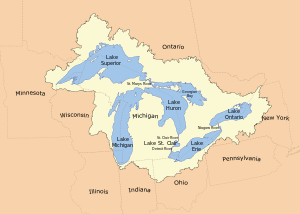
Michigan is a state that has lots of nature, so anywhere you go, you’re likely to be surrounded by either trees or a lake. Driving down the freeway in the fall, you can experience the feeling of being surrounded by the beautiful colors of fall!
(Western gardens, on the other hand, are often based on flowers and greenery, and are characterized by symmetrical designs of flowerbeds and hedges, pursuing an artificial beauty that cannot be found in the natural world.)
(While Japanese gardens are characterized by the beauty of natural scenery, including its changes, Western gardens are characterized by the beauty of artificially ordered landscapes created by processing nature into symmetrical or geometrical shapes.)
私自身が興味深いと思う違いは、「庭を楽しむ視点」です。
(The difference that I personally find interesting is “the perspective of enjoying the garden”.)
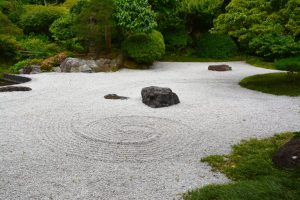
日本庭園は外側から眺めて楽しむスタイルが一般的です。
(Japanese gardens are generally enjoyed from the outside.)
素敵な日本庭園のある家では、例えば縁側のように、庭を眺めるための特別な場所を設けていたりします。
(In a house with a nice Japanese garden, for example, there is a special place for viewing the garden, such as the veranda.)
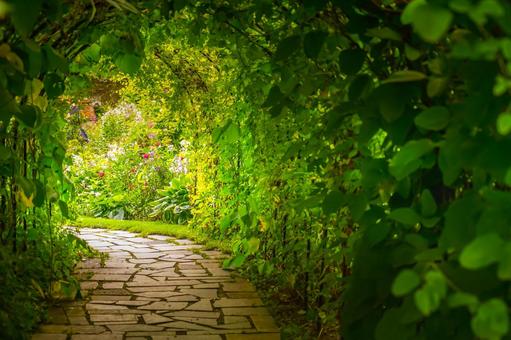
(Many Western gardens are designed with a walkway, bench, or gazebo (Western-style pavilion) as part of the garden, and are intended for strolling, drinking tea, reading, and relaxing in the garden.)
外から眺めても美しい西洋庭園ですが、庭の中からでも日常的に楽しめる。
(The Western garden is beautiful when viewed from the outside, but it can also be enjoyed on a daily basis from within the garden.)
外側から眺める日本庭園と、内側からも楽しめる西洋庭園。
(The Japanese garden can be viewed from the outside and the Western garden can be enjoyed from the inside.)
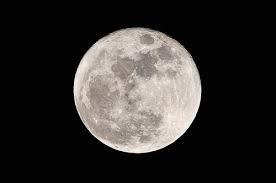
(The custom of moon viewing on Jugoya spread in Japan during the Heian period (794-1185), when aristocrats drank sake and enjoyed poems while gazing at the moon.)
(Then, during the Edo period (1603-1867), the custom of Jugoya spread to the common people. By this time, the festival had taken on more significance as a harvest festival, and the tradition has continued into the modern Jugoya.)
このように、古来から日本では「月は愛でるもの」というイメージがあるようです。
(Thus, since ancient times, the Japanese have had an image of the moon as “something to be loved”.)
一方で、欧米人にとっては月に対してかなり異なったイメージを持っています。
(On the other hand, Westerners have a rather different image of the moon.)
(The ancient Roman naturalist Gaius Pliny Secundus proposed that the full moon induces madness in people.)
言葉の起源に限らず、現代の大衆文化の中でも「月と狂気」は一般的なイメージであるといえます。
(Not only in the origin of the word, but “moon and madness” is also a common image in contemporary popular culture.)
例えば、ロック界のレジェンドとして知られるピンク・フロイドの代表作 “Dark Side of the Moon” は、最も偉大なロックアルバムの一つですが、このアルバムでは、月と狂気の強い関係性がテーマの1つとなっています
(For example, one of the greatest rock albums of all time, “Dark Side of the Moon” by Pink Floyd, a well-known rock legend, features the strong relationship between the moon and madness as one of its themes!)
また、人が満月の夜におおかみ人間に変身する物語は、小説や映画などで人気の題材です。
(The story of a person transforming into a werewolf on a night with a full moon is also a popular subject in novels and movies.)
欧米では狂気とよく結び付けられる月ですが、クラシック音楽の世界ではその限りではありません。
(While the moon is often associated with madness in the West, this is not the case in the world of classical music.)
(Beethoven’s commonly known “Moonlight Sonata” and Debussy’s “Moonlight” expresses the beauty of gentle moonlight, which is similar to the Japanese image of the moon.)
異なる文化の数だけ、月のイメージや月の物語があるようですね。
(It seems that different cultures have their own images and stories of the moon. )

![ゆんフリー写真素材集 : No. 4876 景福宮の興礼門 [韓国 / ソウル]](https://www.tmyun.com/mid/yun_4876.jpg)
![ゆんフリー写真素材集 : No. 12835 サムギョプサル [日本 / 東京]](https://tmyun.com/jpeg/yun_12835.jpg)