
“The Moon″
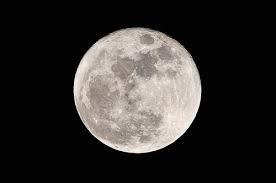
「月」の持つイメージは、日本人と欧米人で大きく違います。
(The image of the “moon” differs greatly between Japanese and Westerners.)
日本では、満月といえば、十五夜やウサギの餅つきなどを思い浮かべる方が多いのではないでしょうか。
(In Japan, most people probably think of the full moon as Jugoya or a rabbit pounding rice cakes.)
平安時代に十五夜のお月見が日本に広まり、貴族たちが月を眺めながらお酒を飲んだり、詩歌を楽しんだりしたそうです。
(The custom of moon viewing on Jugoya spread in Japan during the Heian period (794-1185), when aristocrats drank sake and enjoyed poems while gazing at the moon.)
そして、江戸時代に庶民の間にまで十五夜の風習が広まりました。この頃までには、収穫祭の意味合いが強くなり、現代の十五夜にその伝統が続いています。
(Then, during the Edo period (1603-1867), the custom of Jugoya spread to the common people. By this time, the festival had taken on more significance as a harvest festival, and the tradition has continued into the modern Jugoya.)
このように、古来から日本では「月は愛でるもの」というイメージがあるようです。
(Thus, since ancient times, the Japanese have had an image of the moon as “something to be loved”.)
一方で、欧米人にとっては月に対してかなり異なったイメージを持っています。
(On the other hand, Westerners have a rather different image of the moon.)
多くの人は、月から狂気を連想します。
(Many people associate the moon with madness.)
例えば、「狂人、変人、精神異常者」のことを、英語では“lunatics” (ルナティックス)と呼ぶことがあります。
(For example, “mad people, deviants, and abnormal people” are sometimes called “lunatics” in English.)
‘luna’ はラテン語で、「月」を意味します。
(‘Luna’ is Latin for ‘moon’.)
古代ローマの博物学者ガイウス・プリニウス・セクンドゥスは、満月が人の狂気を誘因すると提唱していたそうです。
(The ancient Roman naturalist Gaius Pliny Secundus proposed that the full moon induces madness in people.)
言葉の起源に限らず、現代の大衆文化の中でも「月と狂気」は一般的なイメージであるといえます。
(Not only in the origin of the word, but “moon and madness” is also a common image in contemporary popular culture.)
例えば、ロック界のレジェンドとして知られるピンク・フロイドの代表作 “Dark Side of the Moon” は、最も偉大なロックアルバムの一つですが、このアルバムでは、月と狂気の強い関係性がテーマの1つとなっています
(For example, one of the greatest rock albums of all time, “Dark Side of the Moon” by Pink Floyd, a well-known rock legend, features the strong relationship between the moon and madness as one of its themes!)
また、人が満月の夜におおかみ人間に変身する物語は、小説や映画などで人気の題材です。
(The story of a person transforming into a werewolf on a night with a full moon is also a popular subject in novels and movies.)
欧米では狂気とよく結び付けられる月ですが、クラシック音楽の世界ではその限りではありません。
(While the moon is often associated with madness in the West, this is not the case in the world of classical music.)
ベートーヴェンの通称「ムーンライトソナタ」や、ドビュッシーの「月の光」では、穏やかな月の光の美しさが表現されており、日本の月に対するイメージと近いものを感じます。
(Beethoven’s commonly known “Moonlight Sonata” and Debussy’s “Moonlight” expresses the beauty of gentle moonlight, which is similar to the Japanese image of the moon.)
異なる文化の数だけ、月のイメージや月の物語があるようですね。
(It seems that different cultures have their own images and stories of the moon. )
みなさんは 月といったら何を連想しますか。私は明治時代の文豪、夏目漱石が生んだ告白の言葉「月が綺麗ですね」を思い浮かべます。
(What do you associate with the moon? I think of “The moon beautiful, isn’t it” a confession born of Soseki Natsume, a great writer of the Meiji era.)
🌊夏はいかがお過ごしですか🍉
梅雨明けしましたが、みなさん夏はいかがお過ごしですか。
外は暑いですがCHEERSはいつでも涼しいので、みなさんいっぱい英会話レッスンを受講しに来てください!
ぜひ私達スタッフにも英語や日本語で夏のご予定をシェアしてください!
CHEERS英会話教室でお待ちしております。
今回のような内容を盛りだくさんに書いた校長Stevenの本は書店やオンラインで販売しております。
オンラインでの購入は下記のページのリンクから各サイトで行えます。
↓↓
https://www.asuka-g.co.jp/book/english/012382.html
また、CHEERSでもご購入いただけますので、お買い求めの際は、STAFFにお声がけくださいませ。